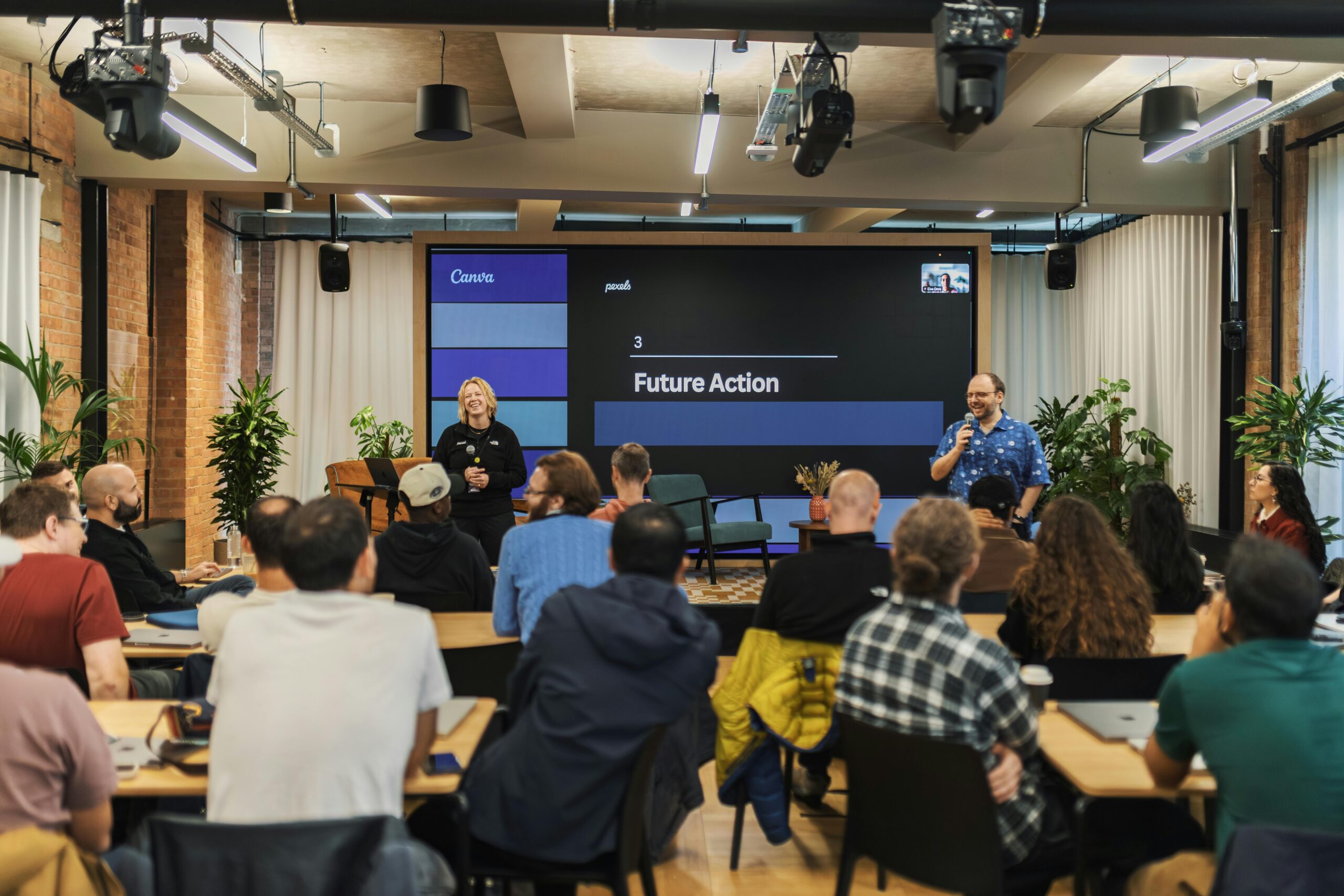
Values alignment workshops are transforming how modern teams collaborate, communicate, and achieve shared goals in today’s competitive business landscape.

In an era where organizational culture can make or break a company’s success, leaders are increasingly recognizing that technical skills alone won’t drive sustainable growth. The secret ingredient? Ensuring every team member operates from a shared foundation of core values. This is where values alignment workshops emerge as a powerful catalyst for organizational transformation.
When employees genuinely understand and embody company values, something remarkable happens. Productivity soars, conflicts diminish, and innovation flourishes. Yet many organizations struggle to move beyond values posted on office walls to values lived in daily interactions. Let’s explore how structured workshops can bridge this critical gap and unlock your team’s full potential.
🎯 Why Values Alignment Matters More Than Ever
The modern workplace has evolved dramatically. Remote work, diverse teams spanning continents, and rapid technological change have created new challenges for maintaining cohesive company culture. Values alignment serves as the compass that keeps everyone moving in the same direction, regardless of physical location or role.
Research consistently shows that organizations with strong values alignment outperform their competitors across multiple metrics. Employee engagement increases by up to 40%, turnover rates drop significantly, and customer satisfaction improves as teams deliver more consistent experiences.
But what exactly is values alignment? It’s the process of ensuring individual employee values resonate with organizational values, creating harmony between personal purpose and company mission. When this alignment exists, work becomes more meaningful, decisions become clearer, and collaboration becomes natural rather than forced.
The Hidden Cost of Misalignment
Before investing in solutions, it’s worth understanding the problem. Misaligned values create friction that manifests in subtle but damaging ways. Team members may pursue conflicting priorities, communication breaks down due to different interpretations of goals, and resentment builds when decisions seem arbitrary or disconnected from stated principles.
Consider a company that claims to value innovation but punishes every failure. Or one that promotes work-life balance while rewarding those who answer emails at midnight. These contradictions erode trust and create cynical employees who view company values as empty corporate speak.
🔑 The Anatomy of Effective Values Alignment Workshops
Successful values alignment workshops share common characteristics that distinguish them from generic team-building exercises. They’re structured, purposeful sessions designed to create genuine understanding and commitment rather than superficial agreement.
Preparation: Setting the Foundation
Effective workshops begin long before participants enter the room. Leadership must first articulate clear organizational values—typically three to five core principles that genuinely guide decision-making. These shouldn’t be aspirational statements about who you want to be, but honest reflections of who you are at your best.
Pre-workshop surveys help facilitators understand current perceptions, identify disconnects, and tailor content to address specific team challenges. This preparation ensures the workshop addresses real issues rather than theoretical concepts.
Creating Psychological Safety
Values discussions require vulnerability. Participants must feel safe sharing authentic perspectives, including concerns about gaps between stated and lived values. Skilled facilitators establish ground rules emphasizing confidentiality, respect, and the principle that all perspectives add value to the conversation.
Interactive exercises break down barriers. Rather than lectures about what values should mean, participants explore what values mean to them personally through storytelling, small group discussions, and experiential activities.
💡 Core Workshop Components That Drive Results
While specific formats vary based on organizational needs, the most impactful values alignment workshops incorporate several key elements that together create lasting change.
Values Discovery and Personal Reflection
Participants first explore their own values independently. What principles guide their decisions? What matters most in their professional lives? This self-awareness exercise helps individuals understand their own value systems before examining organizational values.
One powerful technique involves asking participants to share stories of their proudest professional moments. These narratives reveal authentic values in action, creating emotional connections that abstract discussions cannot achieve.
Collaborative Values Interpretation
Once personal values are clear, the workshop shifts to organizational values. Rather than presenting these as fixed definitions, facilitate discussions where teams collectively interpret what each value means in practice.
For example, if “integrity” is a core value, ask teams to identify specific behaviors that demonstrate integrity in their daily work. What does integrity look like when dealing with difficult customers? When facing deadline pressures? When mistakes happen?
Practical Application Scenarios
Abstract understanding becomes concrete through scenario-based exercises. Present realistic workplace situations and ask teams to apply organizational values to reach decisions. These case studies might involve:
- Choosing between short-term profit and long-term customer relationships
- Addressing performance issues with long-tenured employees
- Allocating limited resources among competing priorities
- Responding to ethical gray areas in competitive markets
- Balancing individual recognition with team collaboration
These exercises reveal how values translate into action, highlighting areas where guidance is clear and where additional clarification is needed.
🚀 Implementing Insights: From Workshop to Workplace
The true measure of workshop success isn’t what happens during the session but what changes afterward. Without deliberate implementation strategies, insights fade and old patterns reemerge within weeks.
Creating Values Champions
Identify team members who demonstrate strong connection to organizational values and empower them as informal champions. These individuals help sustain momentum by modeling aligned behaviors, facilitating ongoing conversations, and providing peer support.
Champions aren’t enforcers but rather resources who help colleagues navigate values-based decisions. They might facilitate monthly discussions, share examples of values in action, or simply remind teams to consider values when making decisions.
Integrating Values into Existing Systems
Values alignment fails when treated as a separate initiative. Instead, weave values into existing structures. Incorporate values discussions into team meetings, reference values when setting goals, and include values assessment in performance reviews.
Hiring processes offer particularly powerful opportunities. When interview questions assess values fit alongside skills, you build aligned teams from the start. Current employees also notice this emphasis, reinforcing that values matter beyond workshops.
📊 Measuring the Impact of Values Alignment
Quantifying cultural change challenges even experienced leaders, but several metrics effectively track progress toward greater values alignment.
| Metric | Measurement Method | Target Impact |
|---|---|---|
| Employee Engagement | Quarterly pulse surveys | 15-25% increase within 6 months |
| Decision-Making Speed | Track time from issue identification to resolution | 20-30% reduction in decision cycles |
| Cross-Team Collaboration | Number of cross-functional projects initiated | 30-40% increase in collaborative initiatives |
| Values Awareness | Unprompted mentions in interviews and meetings | 80%+ can articulate core values and examples |
| Voluntary Turnover | Compare pre and post-workshop retention rates | 10-20% reduction in voluntary departures |
Beyond quantitative metrics, qualitative indicators matter equally. Listen for values language emerging naturally in conversations. Observe whether teams reference values when debating decisions. Notice if conflicts get resolved more constructively through shared value frameworks.
🎨 Adapting Workshops for Different Team Contexts
Not all teams require identical approaches. Effective facilitators customize workshops based on team maturity, organizational challenges, and specific contexts.
Remote and Hybrid Teams
Virtual values alignment workshops present unique challenges but also opportunities. Digital platforms enable participation across geographies while recording capabilities allow review and reflection. However, building the psychological safety necessary for authentic conversation requires extra intentionality.
Break virtual sessions into shorter segments with more frequent interactive elements. Use breakout rooms for small group discussions, digital whiteboards for collaborative activities, and polling tools to gather quick input. Consider asynchronous components where participants reflect independently between live sessions.
Cross-Cultural Considerations
Global organizations must acknowledge that values carry different meanings across cultures. A value like “direct communication” might be embraced in some cultures and seen as disrespectful in others. Rather than imposing single interpretations, facilitate discussions about how universal organizational values manifest authentically within different cultural contexts.
Leadership Teams Versus Frontline Teams
Leadership workshops often focus on how values inform strategic decisions, resource allocation, and organizational changes. Frontline team workshops emphasize how values guide daily customer interactions, quality standards, and peer relationships. Both levels matter, and alignment between them ensures consistency across the organization.
⚡ Overcoming Common Workshop Challenges
Even well-designed workshops encounter obstacles. Anticipating these challenges allows facilitators to address them proactively rather than reactively.
Cynicism and Skepticism
Some participants arrive convinced that values workshops are corporate theater—meaningless exercises that change nothing. This cynicism often stems from past experiences with initiatives that launched with fanfare but faded without impact.
Address skepticism directly. Acknowledge past disappointments, explain what will be different this time, and demonstrate leadership commitment through visible participation and follow-through. Share concrete examples of how values alignment has driven real change in other contexts.
Avoiding Superficial Agreement
Perhaps the biggest risk is creating false consensus where everyone nods along without genuine commitment. Combat this through exercises that surface disagreements constructively. Ask participants to identify gaps between stated and lived values, or situations where values seem to conflict.
These difficult conversations, when facilitated skillfully, build authenticity and trust. They signal that the organization values honest dialogue over comfortable pretense.
🌟 Sustaining Values Alignment Beyond the Workshop
The workshop itself is just the beginning. Long-term success requires ongoing reinforcement, regular reflection, and willingness to evolve as the organization grows.
Quarterly Values Check-Ins
Schedule brief quarterly sessions where teams revisit values discussions. What successes can we celebrate where values guided positive outcomes? What challenges have we faced in living our values? What additional clarity or support do we need?
These check-ins need not be lengthy—even 30 minutes creates space for reflection and course correction before minor misalignments become major problems.
Storytelling as a Cultural Tool
Stories transmit culture more effectively than policies. Create channels where employees share stories of values in action—moments when living organizational values led to positive outcomes, even when difficult.
These narratives become organizational folklore that guides new employees and reminds everyone what the organization stands for when values aren’t just abstract principles but lived experiences.
Leadership Modeling
No amount of workshop excellence compensates for leadership that contradicts stated values. Leaders must consistently demonstrate values in visible decisions, especially when convenient alternatives exist. When leaders make values-aligned choices that involve sacrifice or difficulty, teams notice and respond accordingly.
🔄 The Continuous Journey of Alignment
Values alignment isn’t a destination but an ongoing journey. Organizations evolve, teams change, and new challenges emerge that test values in unexpected ways. Rather than viewing workshops as one-time events, embrace them as regular touchpoints in a continuous process of organizational development.
The most successful organizations revisit values alignment annually, not because previous work failed but because maintaining alignment requires consistent attention. New employees need onboarding into the values culture, veterans need refreshed commitment, and everyone benefits from exploring how values apply to emerging challenges.
Consider making values alignment workshops part of strategic planning cycles, major organizational changes, or following significant team expansions. These natural transition points offer ideal opportunities to strengthen cultural foundations.

💼 Building Your Values Alignment Strategy
Ready to transform your team through values alignment workshops? Start with clear intentions and realistic expectations. This work requires investment—of time, resources, and leadership attention—but the returns manifest across every dimension of organizational performance.
Begin by assessing current state honestly. Survey employees about their awareness and perception of organizational values. Identify gaps between stated values and daily experiences. Use these insights to design workshops that address real issues rather than theoretical ideals.
Partner with experienced facilitators for initial workshops, especially if internal expertise is limited. External facilitators bring fresh perspectives, proven methodologies, and credibility that helps skeptical participants engage authentically.
Document the journey. Capture insights, commitments, and action items from workshops. Track progress against goals. Share successes and learn from setbacks. This documentation creates accountability and allows continuous improvement of the process itself.
Most importantly, recognize that values alignment workshops unlock success not through magic but through the hard, meaningful work of creating shared understanding, genuine commitment, and consistent follow-through. When teams truly align around common values, collaboration becomes easier, decisions become clearer, and collective achievement exceeds what any individual could accomplish alone.
The organizations that thrive in today’s complex, fast-changing environment are those where every team member understands not just what they’re doing, but why it matters and how their work contributes to something larger than themselves. Values alignment workshops provide the structured process for creating this powerful sense of shared purpose that transforms good teams into exceptional ones.