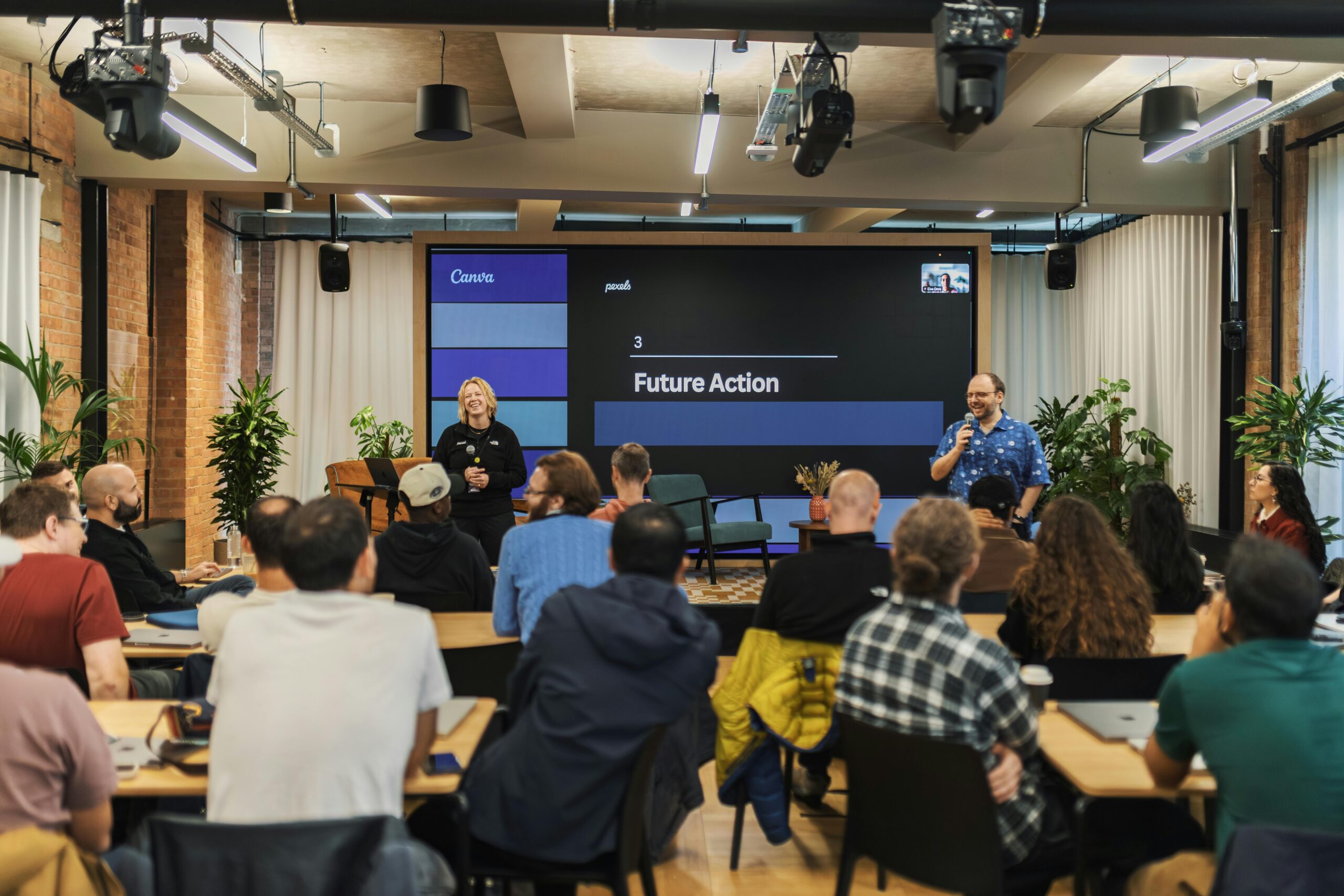
Meetings don’t have to drain energy or waste time. When infused with emotional intelligence, they become powerful catalysts for connection, innovation, and measurable results.

The modern workplace is experiencing a meeting crisis. Studies reveal that executives spend nearly 23 hours per week in meetings, with over 70% of those gatherings failing to produce tangible outcomes. The problem isn’t meetings themselves—it’s how we conduct them. Traditional approaches focus solely on agendas and action items, overlooking the human element that determines whether discussions flourish or flounder.
Emotional intelligence transforms meetings from obligatory calendar blocks into dynamic spaces where collaboration thrives. By recognizing emotions, understanding interpersonal dynamics, and fostering psychological safety, leaders can dramatically improve both productivity and team cohesion. This approach doesn’t require abandoning structure; instead, it enhances traditional frameworks with awareness and empathy.
🧠 Understanding Emotional Intelligence in Meeting Contexts
Emotional intelligence (EI) encompasses four core competencies: self-awareness, self-management, social awareness, and relationship management. In meeting environments, these skills manifest through reading the room, adjusting communication styles, and creating inclusive atmospheres where every voice matters.
Self-aware leaders recognize when their stress or impatience affects group dynamics. They notice their triggers—like interruptions or slow decision-making—and consciously manage reactions. This self-regulation models behavior that ripples throughout the team, establishing norms for respectful interaction.
Social awareness means perceiving unspoken tensions, recognizing disengagement, and identifying who feels marginalized. It’s observing body language when someone disagrees but remains silent, or noticing energy shifts when certain topics arise. These subtle cues provide invaluable information that pure data cannot capture.
Creating Psychological Safety Before the Meeting Starts 🛡️
Productive meetings begin long before the scheduled start time. Psychological safety—the belief that one can speak up without fear of punishment or humiliation—forms the foundation of emotionally intelligent gatherings. Google’s Project Aristotle research identified this as the single most important factor in high-performing teams.
Establish safety through pre-meeting preparation. Send clear agendas that explain not just topics, but also the meeting’s purpose and desired outcomes. Indicate who will contribute specific information, allowing participants to prepare meaningfully rather than attending passively.
Consider the invitation list carefully. Every attendee should have a clear reason for participation. Overcrowded meetings dilute focus and make individuals feel their presence doesn’t matter. Smaller groups encourage more authentic contribution and deeper connection.
Setting Intentional Emotional Tone
The first three minutes of any meeting establish its emotional atmosphere. Begin with brief personal check-ins that acknowledge participants as humans, not just workers. Simple questions like “What’s energizing you today?” or “What’s one thing on your mind as we start?” build rapport and transition attention to the present moment.
This practice isn’t superficial small talk. It creates neural pathways for empathy and activates brain regions associated with social connection. When people share even minor personal details, they become more invested in collective success rather than individual positioning.
Mastering the Art of Active Facilitation 🎯
Emotionally intelligent meeting facilitation balances structure with flexibility. Rigid adherence to agendas can stifle important discussions, while complete spontaneity wastes time. The skilled facilitator navigates between these extremes, sensing when to redirect and when to explore unexpected tangents.
Watch for participation patterns. Who dominates conversations? Who hasn’t spoken? Emotionally intelligent leaders actively manage airtime, drawing out quieter voices with specific invitations: “Jordan, I’d value your perspective on this—you have relevant experience with similar situations.”
This targeted inclusion differs from forced participation. It recognizes expertise and contributions that might otherwise remain hidden, signaling that diverse perspectives strengthen outcomes. Over time, this practice shifts group norms, making balanced participation standard rather than exceptional.
Managing Conflict with Emotional Agility
Disagreement in meetings signals engagement, not dysfunction. Emotionally intelligent leaders reframe conflict as productive tension that reveals important considerations. When disagreements arise, resist the urge to smooth over differences quickly or let dominant voices prevail.
Instead, acknowledge the conflict explicitly: “I’m noticing different viewpoints here, which is valuable. Let’s make sure we understand each perspective fully before deciding.” This validation reduces defensiveness and creates space for genuine dialogue rather than positional debate.
Teach and model the distinction between advocacy and inquiry. Advocacy means stating your position; inquiry means genuinely seeking to understand others’ views. Effective meetings balance both, with facilitators ensuring that inquiry happens before final decisions cement.
Reading and Responding to Group Energy Dynamics ⚡
Every meeting has an energetic arc. Attention peaks and valleys naturally over time. Emotionally intelligent facilitation recognizes these patterns and adapts accordingly, rather than powering through when engagement falters.
Watch for signs of declining engagement: increased phone checking, side conversations, or vague contributions. These behaviors indicate cognitive overload, meeting fatigue, or unclear purpose. Respond with strategic interventions rather than judgment.
When energy drops, shift modalities. If discussion has dominated, introduce individual reflection time. If people have sat passively, incorporate movement or pair discussions. These changes re-engage different cognitive processes and restore focus without extending meeting duration.
Strategic Use of Breaks and Transitions
Research confirms that attention spans operate in ultradian rhythms of approximately 90 minutes. Meetings exceeding this duration without breaks experience dramatically reduced effectiveness. Build intentional transitions into longer sessions.
Even five-minute breaks allow mental processing and prevent decision fatigue. During breaks, neural networks consolidate information and generate insights that structured discussion might not produce. What seems like lost time actually enhances overall productivity.
🤝 Building Authentic Connections Through Vulnerability
Leaders who share appropriate vulnerability create permission for others to bring authentic selves to work. This doesn’t mean oversharing personal struggles, but rather acknowledging uncertainty, admitting mistakes, and expressing genuine emotions about work challenges.
When presenting difficult information, emotional honesty builds trust. “I’m concerned about these results and feeling pressure to find solutions quickly” lands differently than pretending everything’s under control. The former invites collaboration; the latter creates distance and anxiety.
Model the behavior you want to cultivate. If you want team members to admit confusion, acknowledge when you don’t understand something. If you want creative risk-taking, share ideas that aren’t fully formed. Your vulnerability gives others courage to contribute authentically.
Leveraging Technology Mindfully for Emotional Connection 📱
Digital tools can enhance or undermine emotional intelligence in meetings, depending on implementation. Video conferencing, collaborative documents, and meeting apps offer possibilities that in-person gatherings cannot, but require thoughtful use to preserve human connection.
For virtual meetings, camera use significantly impacts emotional connection. Seeing faces enables reading emotional cues that voice alone cannot convey. Establish team norms around video participation while remaining flexible for legitimate privacy or bandwidth concerns.
Tools like Slack or Microsoft Teams can support meeting effectiveness when used for asynchronous information sharing, reserving synchronous time for discussion requiring real-time interaction. This respects participants’ time and cognitive energy for high-value collaboration.
Digital Tools for Inclusive Participation
Anonymous input tools like Mentimeter or poll features in Zoom democratize participation, allowing quieter team members to contribute without social anxiety. These technologies complement rather than replace direct conversation, offering multiple pathways for engagement.
Collaborative documents enable simultaneous contribution during brainstorming, capturing more ideas than sequential speaking allows. This approach particularly benefits neurodivergent team members or those whose communication styles differ from dominant cultural norms.
Closing Meetings with Intention and Clarity ✅
How meetings end determines what happens afterward. Emotionally intelligent closings consolidate learning, clarify commitments, and maintain relational connection beyond the session itself.
Reserve the final ten minutes for explicit recap. What decisions were made? Who committed to which actions? When will follow-up occur? This clarity prevents the common pattern where meetings feel productive in the moment but generate confusion afterward.
End with brief reflection: “What was most valuable about our time together?” or “What will you take away from this discussion?” These questions reinforce learning and signal that participant experience matters, not just task completion.
Measuring Meeting Effectiveness Beyond Task Completion 📊
Traditional meeting metrics focus on agenda completion and action item generation. Emotionally intelligent assessment includes relational and psychological dimensions that predict long-term team performance.
Implement brief post-meeting surveys asking about psychological safety, opportunity to contribute, and meeting value. These simple pulse checks reveal patterns over time, highlighting which meeting practices enhance or undermine effectiveness.
| Dimension | Question | Why It Matters |
|---|---|---|
| Psychological Safety | Did you feel comfortable sharing your true thoughts? | Predicts innovation and problem-solving quality |
| Inclusion | Was your contribution valued? | Impacts engagement and retention |
| Clarity | Are next steps and decisions clear? | Determines execution success |
| Energy | Did this meeting energize or drain you? | Indicates sustainability of meeting practices |
Track these metrics alongside traditional productivity measures. Teams reporting high psychological safety and inclusion consistently outperform those with superior technical skills but poor meeting dynamics.
Developing Your Personal Emotional Intelligence Practice 🌱
Leading emotionally intelligent meetings requires ongoing personal development. Self-awareness doesn’t emerge from reading alone—it demands consistent practice and feedback.
After meetings, conduct brief personal debriefs. What went well? When did you feel triggered or reactive? Which participants seemed engaged or disengaged? This reflection builds pattern recognition that becomes intuitive over time.
Seek specific feedback from trusted team members. Ask questions like “When do I seem most open to different perspectives?” or “What’s one thing I could do to make meetings feel more inclusive?” Specific questions yield actionable insights that general requests cannot.
Building Your Emotional Vocabulary
Many professionals have limited emotional vocabulary, defaulting to “good,” “bad,” “fine,” or “stressed.” Expanding your emotion words enhances your ability to identify and articulate feelings—both yours and others’.
Practice distinguishing between similar emotions: frustration versus disappointment, concern versus anxiety, excitement versus nervousness. These nuances matter because different emotions suggest different responses. Addressing someone’s disappointment requires different approaches than managing their anger.
Transforming Meeting Culture Organization-Wide 🚀
Individual leaders can implement these practices immediately, but sustainable change requires organizational commitment. Meeting culture reflects deeper values about collaboration, communication, and what organizations truly prioritize.
Champion meeting standards that include emotional intelligence principles. Make psychological safety and inclusion explicit criteria in leadership development. Recognize and reward leaders who model these practices effectively, signaling that relational skills matter as much as technical expertise.
Consider implementing “meeting resets”—periodic reviews where teams assess their meeting practices and commit to specific improvements. This ongoing attention prevents backsliding into habitual patterns that no longer serve team needs.

Bringing It All Together: Your Action Plan for Immediate Impact 💪
Transforming meeting culture begins with your very next gathering. Start small rather than attempting wholesale changes that overwhelm both you and participants.
- Choose one practice from this article to implement in your next meeting—perhaps starting with personal check-ins or ending with intentional reflection.
- Observe the impact on both task productivity and relational dynamics. Notice what shifts when you bring conscious attention to emotional dimensions.
- Gradually layer additional practices as initial changes become habitual. Sustainable transformation happens through consistent small steps, not dramatic overhauls.
- Share your learning with peers and invite them into experimentation. Meeting innovation spreads through modeling and conversation, not mandate.
- Remember that emotional intelligence is a practice, not a destination. Even experienced facilitators continue learning and adapting as team needs evolve.
The meetings you lead create ripple effects throughout your organization. When people leave your gatherings feeling heard, valued, and energized, they bring that positive energy to subsequent interactions. Conversely, draining meetings spread frustration and disengagement.
You have the power to transform these essential gatherings from necessary evils into genuine opportunities for connection, creativity, and collective achievement. The techniques outlined here aren’t theoretical ideals—they’re practical approaches that leaders across industries have implemented with measurable success.
Your team’s potential isn’t limited by their skills or knowledge—it’s often constrained by meeting dynamics that prevent those capabilities from fully emerging. By mastering emotionally intelligent facilitation, you unlock latent potential that transforms what your team can accomplish together.
The next meeting on your calendar represents an opportunity. Will it be another forgettable obligation, or a meaningful experience that moves your team forward while strengthening relationships? The choice—and the skills to make it happen—are now in your hands.