I bake most of my bread on two schedules, and I've stopped pretending one is better than the other. A same-day loaf gets me warm bread by dinner; an overnight loaf trades my patience for a flavor I can't rush. The real question isn't which method wins — it's which one fits the day you're actually living in.
The One Variable That Changes Everything: Time#
Almost everything that separates a same-day loaf from an overnight one comes down to a single lever: how long the dough ferments, and at what temperature. Yeast and the wild bacteria in a sourdough culture are slow chemists. Give them a few hours at room temperature and they produce carbon dioxide (for rise) plus a modest amount of the acids and aromatic compounds that read on your tongue as "flavor." Give them twelve to twenty-four hours in the fridge, and those same organisms keep working — slowly, because cold throttles them — building far more of the acids and esters that make bread taste like something.
That's the whole trade in one sentence: speed buys you convenience, time buys you flavor. Everything below is just the practical shape of that trade.
A few things worth knowing before you pick a lane:
- Cold slows yeast more than it slows the flavor-making bacteria. This is why an overnight fridge proof develops tang without over-inflating the dough into a slack, blown-out mess.
- Warmth speeds everything. A same-day dough in a 78°F kitchen can go from mix to oven in five hours. The same dough in a cold January kitchen might need seven or eight.
- Flour matters. Whole-grain and rye ferment faster and carry more of their own flavor, so they reward shorter schedules more forgivingly than plain white flour does.
The Same-Day Method: Bread by Dinner#
A same-day loaf is what I make when I decide in the morning that I want bread that night. Everything happens between roughly 9 a.m. and 6 p.m., with no overnight step. It's the method I recommend to anyone who's nervous about bread, because you stay close to the dough the whole time and can watch it respond.
A realistic same-day timeline#
Here's how a straightforward same-day loaf tends to run in a comfortable kitchen (around 74–78°F):
- Mix flour, water, salt, and yeast (or an active starter). 10 minutes.
- Bulk ferment with a few folds in the first hour or two. 3 to 4 hours.
- Shape and let the loaf proof on the counter. 1 to 2 hours.
- Bake. 40 to 50 minutes, plus cooling.
That's warm bread by early evening. The rhythm is forgiving because you're never asleep while it works — if the dough is racing ahead on a hot day, you catch it and move up your schedule.
What you gain, and what you give up#
The upside is obvious: you don't plan your life a day ahead. You get that first-day crumb — soft, mild, faintly sweet — which is genuinely lovely with butter while it's still warm. For sandwich loaves, enriched doughs (think brioche or soft rolls), and anything where you want a clean, wheaty taste rather than sourness, same-day is often the better choice, not the compromise.
The cost is depth. A same-day loaf tastes like fresh bread; it rarely tastes complex. It also stales a little faster, because much of what keeps a loaf moist and interesting on day two comes from the acids and structure that longer fermentation builds. And a same-day loaf demands your attention in a compressed window — you can't run errands for six hours and expect to walk back in on schedule.
The Overnight Method: Letting the Fridge Do the Work#
Overnight bread splits the process across two days by parking the dough in the fridge for a long, cold rest — a step bakers call retarding. You do the active work in two short bursts, and the refrigerator handles the long middle while you sleep.
There are two common places to put the cold step, and they behave differently.
Cold bulk vs. cold proof#
- Cold bulk fermentation: you refrigerate the dough after mixing but before shaping. The next day you pull it out, shape, do a shorter room-temperature proof, and bake. This gives you flexibility on timing and slightly more control over the final rise.
- Cold final proof (shaped): you shape the loaf, put it in its banneton or tin, and refrigerate it shaped overnight. In the morning many loaves can go straight from fridge to a hot oven with no warm-up. This is my go-to when I want breakfast bread with the least morning fuss.
I lean on the shaped cold proof for sourdough specifically, because the extended cold time is where that characteristic tang deepens. For a straight yeasted loaf, a cold bulk is often easier to schedule around.
Why overnight tastes better#
The long, cool fermentation does three things you can actually taste and feel:
- More acid, more aroma. Extra hours mean the bacteria produce more lactic and acetic acid, which is why an overnight loaf carries a gentle sourness and a rounder, wheatier smell even without a sourdough starter.
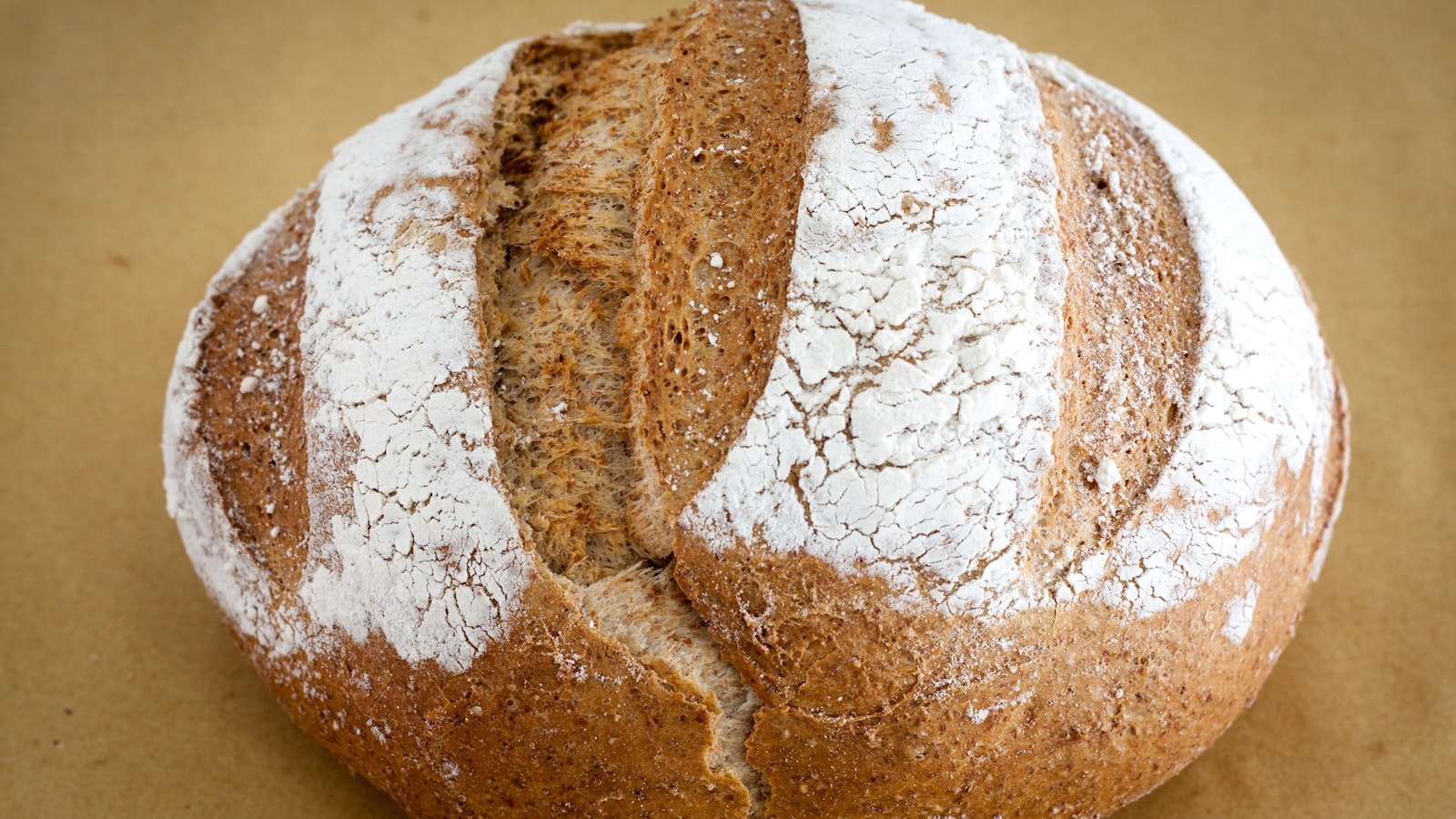
- A blistered, deeply colored crust. Cold-proofed doughs almost always bake up with those attractive bubbles on the surface and a darker crust, because the sugars available at the surface change during the long rest.
- Better keeping quality. Those same acids slow staling, so an overnight loaf is usually still good on day two and toasts beautifully on day three.
The trade-offs are real, though. You need fridge space — a shaped boule in a banneton takes up a surprising amount of a crowded refrigerator. You commit a day ahead, which means overnight bread doesn't rescue a last-minute craving. And cold dough is less predictable across different fridges; a 34°F fridge and a 41°F fridge will hand you noticeably different loaves from the same recipe, so your first few overnight bakes are a bit of calibration.
Reading the Dough, Not the Clock#
Whichever road you take, the times I've given are starting points, not laws. Kitchens vary, fridges vary, and flour varies batch to batch. The skill that actually makes your bread reliable is learning to read the dough instead of trusting the timer.
A few signs I check every time:
- The poke test. Gently press a floured finger into the proofed loaf. If it springs back slowly and leaves a slight dent, it's ready. If it springs back instantly, give it more time; if it doesn't spring back at all and the dough sighs, it's overproofed.
- Volume, not hours. A dough that's grown by roughly half to three-quarters in bulk is usually where you want it — more useful than "four hours have passed."
- The jiggle. A well-proofed shaped loaf has a soft, alive wobble when you nudge the container, not a tight, dense stillness.
For an overnight loaf, remember the fridge is still fermenting — slowly. If you pull it out and it looks under-risen, a 30–60 minute warm rest on the counter before baking often fixes it. Cold dough straight from the fridge is also easier to score, which is a quiet bonus for anyone still fighting with a lame.
So Which Should You Bake?#
Here's how I actually choose, and how I'd suggest you do too:
- Bake same-day when you're home for the afternoon, you want soft, mild, first-day bread, or you're making an enriched dough where sourness would be a distraction.
- Bake overnight when you want deeper flavor and a blistered crust, you'd rather split the work into two short sessions, or your mornings are calmer than your evenings.
- A hybrid worth trying: do a full room-temperature bulk ferment same-day, shape in the evening, then cold-proof the shaped loaf overnight and bake at breakfast. You get much of the overnight flavor with less next-morning waiting.
One honest caveat: don't fix a broken recipe by simply throwing it in the fridge. If your dough is underdeveloped or your starter is sluggish, an overnight rest deepens the flavor but won't build the structure that was missing at the mix. Cold time rewards good dough; it doesn't rescue bad dough.
The Bottom Line#
Same-day and overnight aren't beginner and advanced versions of the same thing — they're two legitimate ways to bake, each with a flavor and a rhythm of its own. Pick the one that fits the day in front of you, not some idea of what a "serious" baker is supposed to do. Bake a same-day loaf this week and an overnight loaf the next, taste them side by side, and let your own kitchen settle the argument. That comparison will teach you more than any timeline I could write down.